
Introduction
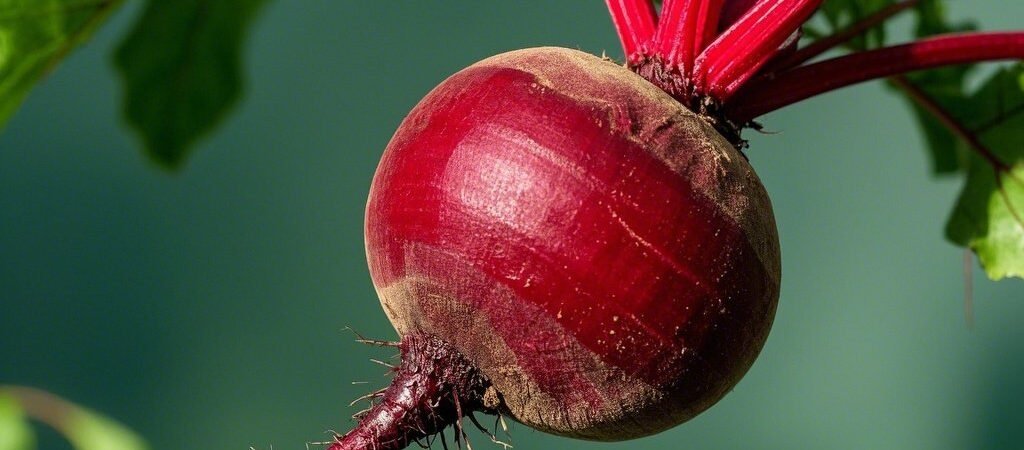
Beetroot, with its deep crimson hue and earthy flavor, has captivated cultures for centuries. But beyond its vibrant color lies a powerhouse of nutrients and health benefits. In this blog post, we’ll explore beetroot’s ancient origins, where it thrives today, and the compelling science behind its role in boosting health. Let’s dig in!
Origin & History of Beetroot
Beetroot (Beta vulgaris) traces its roots to the wild sea beet, native to the coasts of Europe, North Africa, and Asia. First cultivated around 2,000 BCE in the Mediterranean, it was valued by ancient civilizations like the Greeks and Romans for its edible leaves. The taproot we recognize today gained prominence in 16th-century Europe, where selective breeding transformed it into the sweet, bulbous vegetable we know. By the 19th century, beetroot’s cousin, the sugar beet, became a major source of sugar, cementing the plant’s agricultural importance.

Where Does Beetroot Grow?
Beetroot thrives in temperate climates with well-drained, sandy-loam soil and moderate sunlight. Ideal growing temperatures range between 50–75°F (10–24°C). Today, top producers include:
- Europe: Russia, France, Germany, and Poland.
- North America: The U.S. (notably Texas and Colorado).
- Asia: China and Turkey.
Farmers typically harvest beetroot 8–10 weeks after planting, making it a fast-growing, resilient crop adaptable to diverse regions.
7 Science-Backed Health Benefits of Beetroot
1. Boosts Heart Health
Beetroot is rich in dietary nitrates, which convert to nitric oxide in the body. This compound relaxes blood vessels, improving circulation and lowering blood pressure. A 2013 study in Hypertension found daily beetroot juice reduced hypertension in patients.
2. Enhances Athletic Performance
Nitric oxide also increases oxygen efficiency, delaying muscle fatigue. Research in the Journal of Applied Physiology showed cyclists drinking beetroot juice improved endurance by 15%.
3. Supports Brain Function
Improved blood flow from nitric oxide may enhance cognitive health, particularly in older adults. A 2017 study in Nitric Oxide linked beetroot juice to increased blood flow to the brain’s frontal lobes.
4. Fights Inflammation
Betalains, the pigments giving beetroot its color, possess potent antioxidant and anti-inflammatory properties. These compounds may reduce chronic inflammation linked to diseases like arthritis.
5. Aids Digestion
One cup of beetroot provides 3.8 grams of fiber, promoting gut health and regularity. Its natural betaine content also supports liver detoxification.

6. Rich in Essential Nutrients
Beetroot is packed with folate (37% DV per cup), iron, potassium, and vitamin C, aiding energy production, immunity, and red blood cell formation.
7. May Combat Cancer
Preliminary studies suggest betalains may inhibit cancer cell growth. While more research is needed, a 2019 review in Nutrients highlighted their potential chemopreventive effects.
How to Incorporate Beetroot Into Your Diet
- Raw: Grate into salads or blend into smoothies.
- Roasted: Toss with olive oil and herbs for a caramelized side dish.
- Juiced: Mix with apple or carrot for a nutrient-packed drink.
Conclusion
From ancient medicine to modern superfood, beetroot’s journey is as rich as its nutrient profile. Whether you’re aiming to boost heart health, stamina, or overall wellness, this humble root vegetable deserves a spot on your plate. Embrace the power of beetroot and reap its vibrant benefits!
Sources
- USDA FoodData Central: Beetroot Nutritional Profile
- Hypertension Journal: Nitrate-Rich Beetroot Juice Reduces Blood Pressure
- Journal of Applied Physiology: Beetroot Juice Improves Cycling Performance
- Nutrients: Betalains and Cancer Prevention
Always consult a healthcare provider before making significant dietary changes.