

Introduction
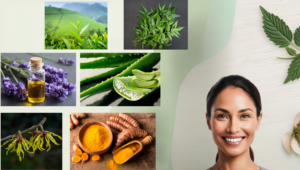
Acne is a common skin condition affecting millions, often caused by hormonal fluctuations, bacteria, or clogged pores. While over-the-counter treatments are widely available, many seek natural alternatives to avoid harsh chemicals. Herbs with antimicrobial, anti-inflammatory, and soothing properties can be powerful allies in managing acne. In this article, we explore the best herbs for acne treatment, their mechanisms, and evidence-based usage tips.
1. Tea Tree Oil
Benefits: Tea tree oil’s antibacterial and anti-inflammatory properties make it a top choice for acne. It targets Propionibacterium acnes , the bacteria linked to breakouts.
How It Works: Terpinen-4-ol, its active compound, reduces bacterial growth and inflammation without drying the skin excessively.
Usage Tips:
- Dilute 2–5% tea tree oil with a carrier oil (e.g., coconut oil) and apply to acne spots.
- Use tea tree oil-based cleansers or toners.
Study Reference: A 2007 study in the Journal of the American Academy of Dermatology found tea tree oil as effective as benzoyl peroxide for mild to moderate acne. Read more .
2. Neem
Benefits: Neem (Azadirachta indica) is a traditional Ayurvedic herb with antibacterial, antifungal, and anti-inflammatory effects. It soothes redness and prevents infections.
How It Works: Neem’s limonoids and quercetin inhibit bacterial growth and reduce sebum production.
Usage Tips:
- Apply neem oil (diluted with jojoba oil) to the skin.
- Use neem-based face masks or cleansers.
Study Reference: A 2015 study in Phytomedicine highlighted neem’s efficacy in treating acne and skin infections. Read more .
3. Aloe Vera
Benefits: Aloe vera’s cooling and anti-inflammatory properties reduce redness and heal acne scars. It also contains polysaccharides that promote skin repair.
How It Works: Aloe vera’s aloin and salicylic acid-like compounds exfoliate and soothe irritated skin.
Usage Tips:
- Apply pure aloe vera gel directly to the face.
- Mix with honey for added antibacterial benefits.
Study Reference: A 2014 study in the Journal of the European Academy of Dermatology and Venereology confirmed aloe vera’s role in reducing acne severity. Read more .
4. Witch Hazel
Benefits: A natural astringent, witch hazel tightens pores and reduces excess oil without over-drying the skin.
How It Works: Tannins in witch hazel shrink pores and inhibit bacterial growth.
Usage Tips:
- Use witch hazel toner after cleansing.
- Apply with a cotton pad to oily areas.
Study Reference: A 2012 review in the Journal of Cosmetic Dermatology noted its effectiveness in managing acne-prone skin. Read more .
5. Turmeric
Benefits: Turmeric’s curcumin fights inflammation and reduces redness. It also has antibacterial properties to combat acne-causing bacteria.
How It Works: Curcumin inhibits inflammatory cytokines and neutralizes free radicals.
Usage Tips:
- Mix turmeric with honey or yogurt to create a face mask.
- Use in conjunction with neem or tea tree oil for deeper cleansing.
Study Reference: A 2013 study in the Indian Dermatology Online Journal highlighted turmeric’s role in treating inflammatory acne. Read more .
6. Lavender Oil
Benefits: Lavender oil’s antimicrobial and calming properties help heal acne and reduce scarring.
How It Works: Linalool and linalyl acetate in lavender fight bacteria and promote skin regeneration.
Usage Tips:
- Dilute lavender oil with a carrier oil and apply to blemishes.
- Add a few drops to a moisturizer for daily use.
Study Reference: A 2015 study in Phytotherapy Research found lavender oil effective in reducing acne lesions. Read more .
Lifestyle Tips for Acne Management
- Cleanse Gently: Avoid harsh scrubbing; use mild, fragrance-free cleansers.
- Avoid Picking: Picking pimples can worsen inflammation and scarring.
- Dietary Adjustments: Reduce high-glycemic foods (sugars, refined carbs) and increase omega-3-rich foods (fatty fish, walnuts).
Conclusion
Natural herbs like tea tree oil, neem, and turmeric offer safe, effective alternatives for acne treatment. Pair them with a consistent skincare routine and healthy habits for optimal results. Always patch-test new products and consult a dermatologist for severe cases.
Sources:
- Tea Tree Oil and Acne
- Neem’s Antimicrobial Effects
- Aloe Vera and Skin Health
- Witch Hazel Benefits
- Turmeric and Inflammation
- Lavender Oil Study
Disclaimer: Individual results may vary. Always perform a patch test and consult a healthcare provider before using new skincare products.